By the end of this chapter, you will be able to:
The Architecture as Code initiative relies on a cohesive ensemble of AI agents that operate as a digital delivery team. Each agent contributes specialised expertise while adhering to a single backlog, common documentation practices, and shared quality thresholds. This chapter presents the agent ecosystem as narrative guidance that emphasises collaboration, accountability, and the continual refinement of project artefacts.
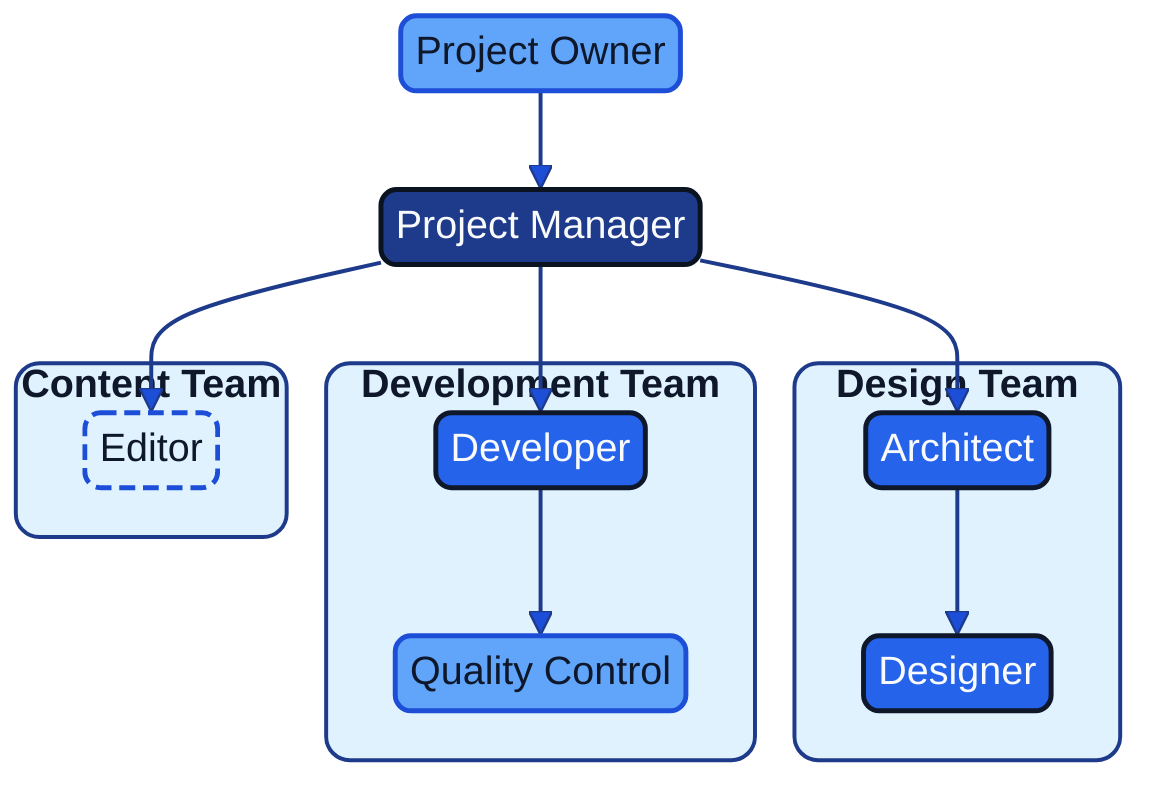
The operating model begins with the project owner defining priorities and acceptable outcomes. The Project Manager agent transforms those directions into sprint goals, decomposes them into manageable cases, and steers the flow of information between the specialists. Architect, Requirements Analyst, Designer, Developer, Quality Control, Editor, and Graphic Designer agents execute their craft in tight feedback loops, returning insights and artefacts to the Project Manager. The Project Manager consolidates the overall status, flags risks, and recommends decisions back to the project owner at the end of each iteration.
Primary topics explored
- Learning Objectives
- Multi-Agent Operating Model
- Role Narratives and Responsibilities
- Collaboration Patterns Without Temporal Gating
- Governance, Reporting, and Onboarding
- Integrating AI Agents with Architecture as Code Workflows
About Architecture as Code
Infrastructure as Code represents a fundamental change in how we manage and develop IT infrastructure. This book provides organisations with practical guidance for implementing IaC principles whilst fulfilling local compliance requirements and optimising costs.
The book covers everything from fundamental principles and tools to advanced implementation strategies, security aspects, and organisational changes required for successful IaC adoption.
IT architects, DevOps teams, developers, and decision-makers within organisations.

Gunnar Nordqvist
Conceived, directed and published the books of The Transformed Architecture.
Continue with the full chapter
Chapter 20: AI Agent Team for Architecture as Code Initiatives in Architecture as Code gives the detailed explanations, practical examples and implementation patterns behind this summary.
This whitepaper belongs to “Organisation and Leadership” and is one of 38 drawn from the manuscript.