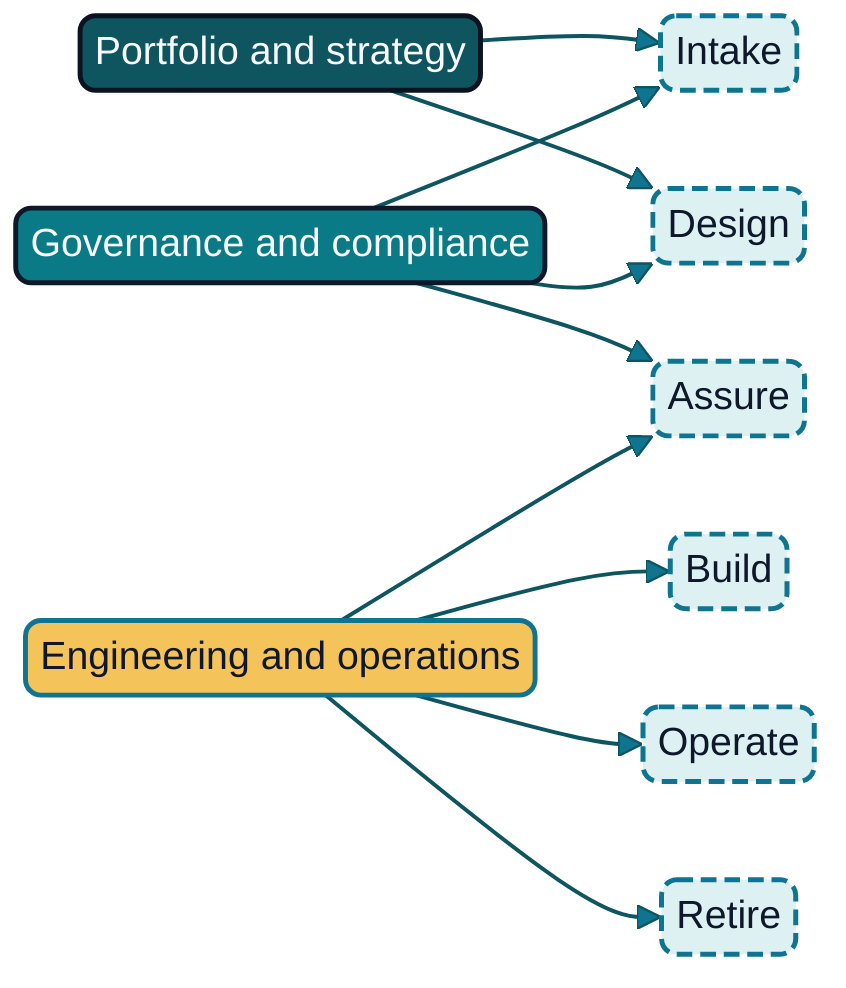
This chapter catalogues the ways in which enterprise AI programmes fail. Chapter 18 showed five composite cases that worked, at least eventually, and Chapter 19 one real incident in which several controls failed at once; this chapter is about the far larger population of programmes that fail more quietly. Each anti-pattern is described through its symptom and cause, its consequence and its remedy, so that you can recognise it early, name it without causing offence, and point to the chapter that holds the corrective practice. The catalogue extends the anti-patterns in Architecture as Code (Chapter 26B) (66, Nordqvist, 2025), many of which reappear here in AI-specific form.
An anti-pattern is not a one-off mistake but a solution that looks reasonable, is adopted repeatedly, and produces the same bad outcome every time. Sculley and colleagues (48, Sculley et al., 2015) described the first generation for machine learning as hidden technical debt such as entanglement and pipeline jungles. Paleyes, Urma and Lawrence (55, Paleyes et al., 2022) found the same deployment obstacles recurring across case studies. The anti-patterns here are their organisational and architectural descendants, grouped as portfolio, governance and engineering anti-patterns.
Several anti-patterns are mode errors: a system in one usage mode of Chapter 2 is governed as if it belonged to another.
Primary topics explored
- How to read this catalogue
- Portfolio and strategy anti-patterns
- Governance and compliance anti-patterns
- Engineering and operations anti-patterns
- Detecting anti-patterns as code
- Summary
About AI Governance
AI Governance is Book 2 of The Transformed Architecture. It shows how large European enterprises and public authorities decide what artificial intelligence is used for, classify and manage its risks, meet the obligations of the EU AI Act and its neighbours, choose and contract their suppliers, organise the forums that take decisions, and produce the evidence that shows it is all true.
It builds on the conclusions of Architecture as Code.
Chief risk and compliance officers, AI governance boards, CIOs and chief architects, and senior officials in public authorities.

Gunnar Nordqvist
Conceived, directed and published the books of The Transformed Architecture.
Continue with the full chapter
Chapter 20: Anti-Patterns in AI Governance gives the detailed explanations, practical examples and implementation patterns behind this summary.
This whitepaper belongs to “Experience” and is one of 32 drawn from the manuscript.